What to Do When an Investor Requests Exclusivity During Diligence?
An investor just asked for exclusivity. Here is exactly what to do, negotiate, and never agree to.
When an investor requests exclusivity during diligence, you have three choices: accept, negotiate a shorter window, or decline. The right move depends on where you are in the round, how much leverage you have, and whether this investor is truly your best option.
Exclusivity means you agree to stop talking to other investors for a set period while one firm completes its diligence. It is sometimes called a "no-shop" clause. The investor gets a clear runway to make a decision. You, in exchange, pause your entire fundraising process.
The ask sounds reasonable. In practice, it can cost you real competitive pressure and real time.
Why Investors Ask for Exclusivity
Most exclusivity requests are not bad faith. Investors have legitimate reasons:
• Diligence is resource-intensive. Legal, financial, and technical review takes 3 to 6 weeks. They want confidence that you will not close with someone else mid-process.
• Partner approval takes time. Most firms need a full partnership vote before issuing a term sheet.
• They want clean data. Reference calls and customer interviews are easier when you are not running a live competitive process at the same time.
That said, exclusivity shifts all the risk to you. If the investor passes after 45 days, you have lost momentum and likely some of the other investors who were warm when you paused.
What Exclusivity Actually Costs You
Before you agree, count the real cost:
• Time loss. A 30 to 60 day exclusivity window is a significant pause in a 3 to 6 month raise. If this investor passes, you restart with less urgency and colder relationships.
• Leverage loss. Competitive tension is one of your few negotiating tools. Once you agree to exclusivity, you hand that tool to the investor.
• Momentum risk. Other investors move on. They stop prioritizing you the moment you tell them to pause.
Understanding how VC decision timelines actually work helps you see why exclusivity requests are often longer than necessary.
Typical Exclusivity Windows by Investor Type
Investor Type | Typical Ask | Counter With | Risk If You Accept |
Top-tier VC (Fund > $500M) | 30-60 days | 21-30 days + milestone review | High. Long pause in a hot market |
Mid-tier VC (Fund $100-500M) | 21-45 days | 14-21 days, hard expiration | Medium. Depends on the other pipeline |
Emerging managers | 14-30 days | 14 days max, clear deliverables | Low. Faster process expected |
Angel / Solo GP | 7-21 days | 7-10 days, lightweight diligence | Very low. Smaller check size |
How to Negotiate Exclusivity Without Walking Away
Most founders either accept whatever is offered or refuse entirely. Both are usually wrong.
A framework that works:
• Counter with a shorter window. If they ask for 45 days, offer 21. Tell them directly: "We are happy to pause for three weeks while you complete diligence. If you need more time, let us check in at day 21." A real buyer rarely walks over this.
• Add a milestone exit clause. Agree to exclusivity but include a clause that it ends if they miss a specific diligence milestone; for example, no signed term sheet by day 21.
• Get something in return. Exclusivity is a concession. Ask for a clear timeline, named deliverables, or a preliminary indication of valuation in exchange.
If an investor refuses any negotiation on timeline, that tells you something about how they will behave as a board member.
When an Exclusivity Request Is Actually a Red Flag
Not all exclusivity requests are standard. Watch for:
• Requests before any term sheet exists. Exclusivity during initial interest, before they have committed to a price, is unusual and worth pushing back on hard.
• Open-ended windows. Any request without a hard end date should be refused. Always.
• Vague diligence scope. If they cannot tell you what they need to complete by when, they are not actually diligent. They are keeping you waiting.
How investors behave when they delay decisions after initial interest is often the clearest signal of how they will behave as a long-term partner.
How investors react to fundraising pace also matters here; a founder who moves too slowly loses leverage even before exclusivity is on the table.
What to Say When You Respond
Keep it short. Something like: "We are genuinely excited to work with you and happy to give you exclusivity for 21 days while you complete diligence. After that, we will need to continue our process. We want a clear timeline on your end by [specific date]."
That one response signals confidence, respect, and that you actually have other options worth going back to.
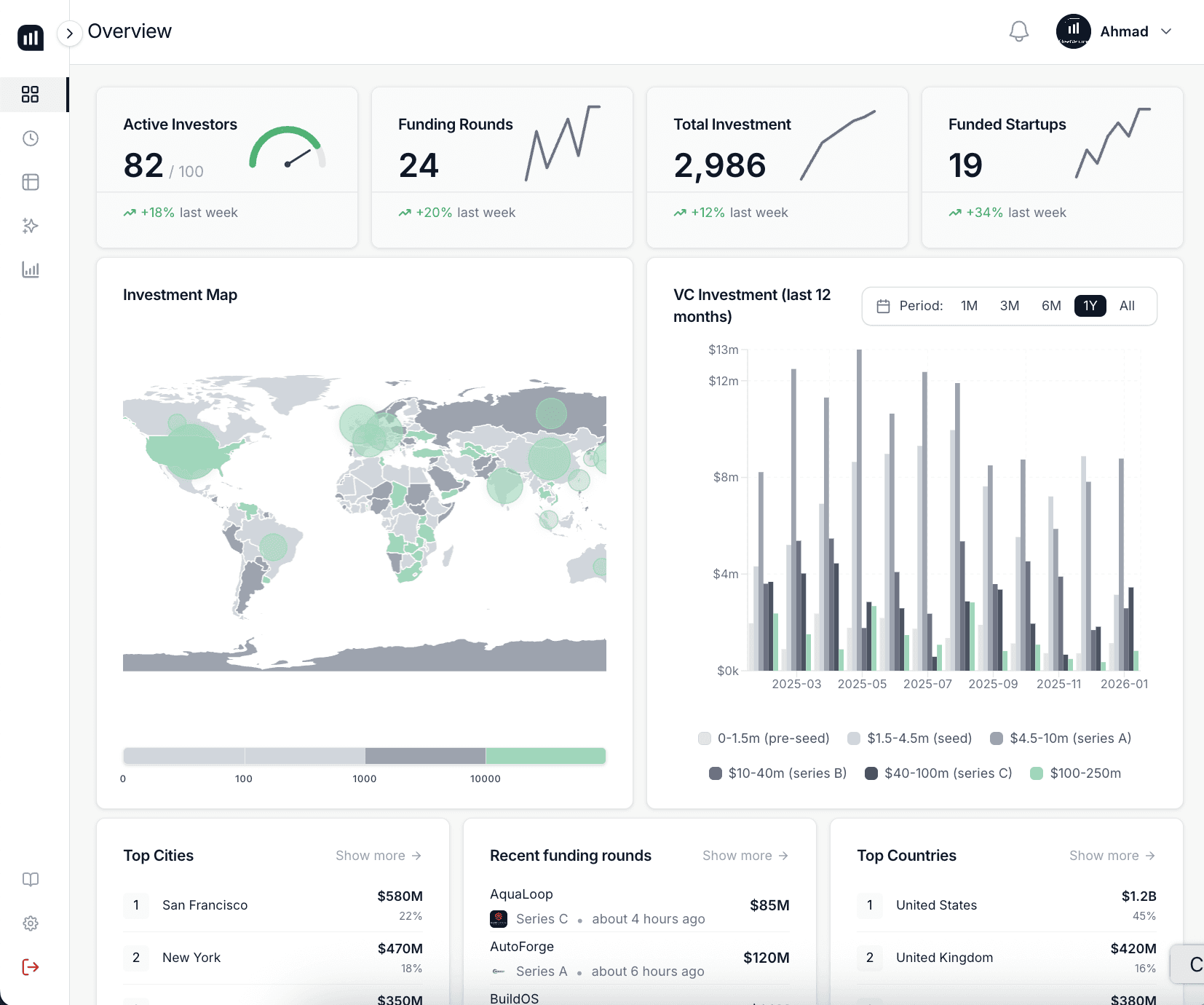
Use SheetVenture's intelligence to identify other active investors before you agree to pause; knowing who else is in the market makes the negotiation real.
The Bottom Line
An exclusivity request is not a commitment to invest. It is a request to stop competing while the investor decides. Never treat it as confirmation that a deal is closing. Negotiate the window, set milestones, and build in an exit clause.
SheetVenture gives founders a live view of active investors, so you never enter an exclusivity conversation without knowing exactly who else you could be talking to.
Publication Date: