Pitch Deck:
Pitch Deck Details:
Fynd's 2016 pitch deck worked because it combined a massive market claim (India's $20B fashion retail) with a zero-inventory model that made the unit economics immediately clear to investors.
Fynd pitched investors in 2016 with a 10-slide deck built around a single, hard-to-argue idea: India's offline fashion inventory sat stranded in stores while online buyers couldn't find it. The fix was a three-sided marketplace connecting brand stores, customers, and delivery partners, with Fynd sitting in the middle on a 20% commission. No inventory. No field force. Zero operational drag.
What separated this deck from the average startup pitch wasn't ambition. It was specificity. Every slide answered a question a skeptical investor would naturally ask. The team slide appeared on page two, before the business model, signaling that these founders understood investors bet on people before they bet on ideas.
What Made Fynd's Market Claim So Effective?
Fynd didn't just cite a large market. They defined exactly which part they were targeting and how they planned to own it.
The deck positioned Fynd as an 'O2O Information Arbitrage' play inside India's USD 20 billion fashion retail sector. That framing told investors three things immediately:
• The market existed and was proven offline.
• The problem was information friction, not demand creation.
• Fynd's role was a connector, not a capital-heavy inventory play.
Naming the three-sided marketplace structure (brands, customers, delivery partners) also clearly showed investors the network effects. The pitch deck never asked them to imagine the model. It drew the loop and put numbers on it.
How Did the Unit Economics Slide Reduce Investor Risk?
Most early-stage decks bury the numbers or skip them entirely. Fynd built a full unit economics slide and placed it where investors expected to find it.
The model was clean and followed a logical structure:
• 20% transaction commission from brand stores.
• 15% gross margin at target volumes.
• Delivery fee partially offset against order revenue.
• Costs projected to reduce at scale due to volume efficiencies.
The 'Private and Confidential' watermark blurred the exact rupee values, but the structure stayed visible. Investors could validate the thesis without knowing the precise numbers. What investors actually need is to see the shape of your economics, not a spreadsheet audit at slide six.
The Bottom Line
Fynd's 2016 deck worked because it answered three investor questions before they were asked: why this market, why this team, and why this model wins. The zero-inventory framing wasn't just capital-efficient. It was a defensibility argument built into the unit economics slide.
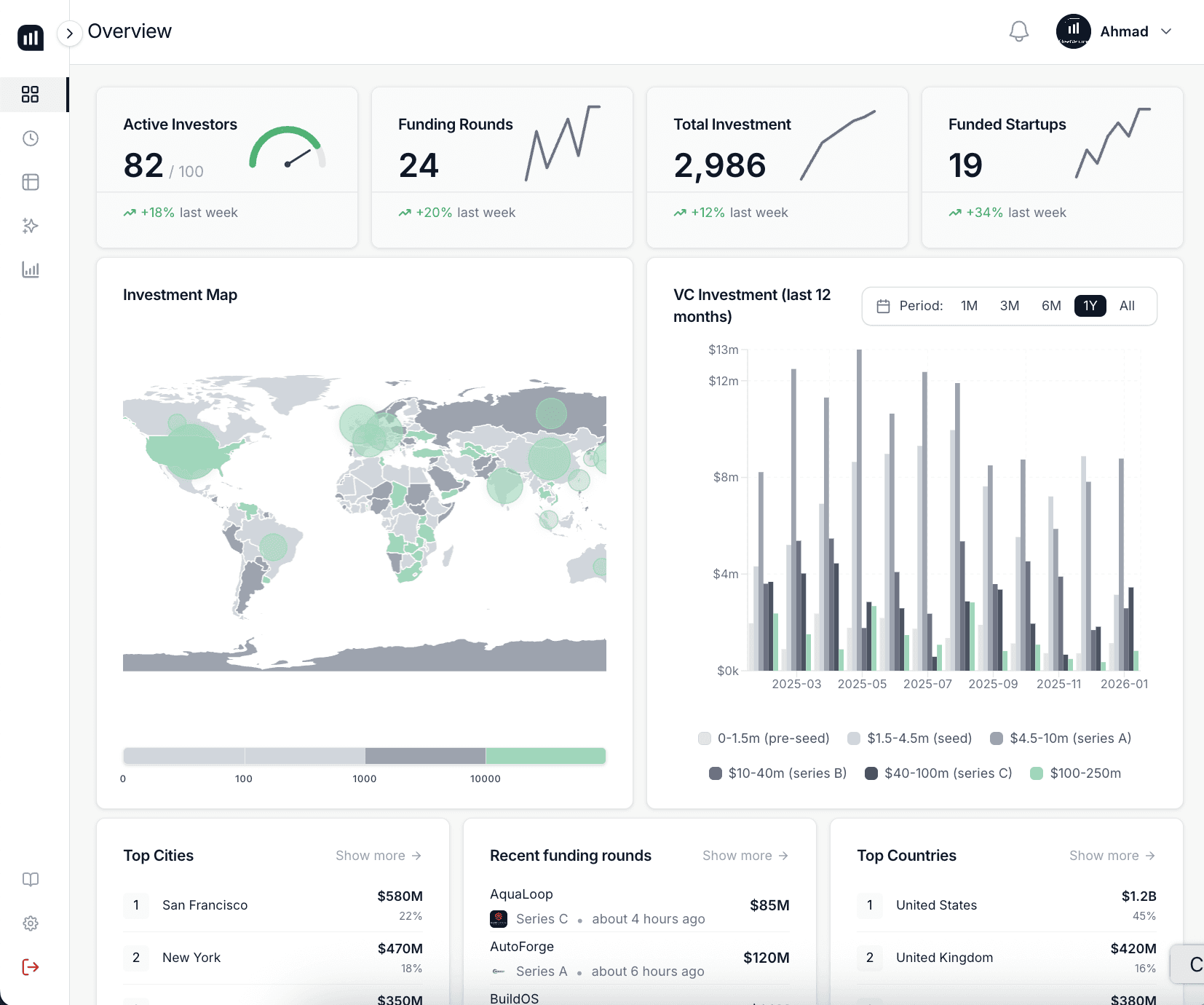
If you're building your deck, structure follows strategy. SheetVenture helps founders identify the right investors and understand exactly what they need to see before they walk into the room.
This Pitch Deck is taken from PitchDeckHunt.
SheetVenture helps founders identify the right investors before they ever send a deck.
FAQ:
Have questions,
We got answers.
Can't find your answer?
Get in touch with our support team, they a re friendly!
What Made Fynd's Market Claim So Effective?
Fynd targeted India's $20B fashion retail market not as a vague TAM number, but as a specific structural problem: offline inventory was invisible online. By framing it as "O2O Information Arbitrage," they gave investors a mechanism, not just a market size. The three-sided marketplace diagram made the network effect self-explanatory.
How Did the Unit Economics Slide Reduce Investor Risk?
Fynd showed a 20% commission model with 15% gross margin and a clear cost structure, even while keeping exact figures confidential. Investors could validate the logic without needing the precise numbers. Delivery costs were projected to decrease at scale, which answered the "does this get better over time" question before it was asked.
How Does SheetVenture Help Founders Prepare Pitches Like This?
Fynd's deck worked partly because it was built for how investors think, not just what founders want to say. SheetVenture's private market intelligence platform gives founders the same advantage before they walk into any room, showing which investors care about unit economics vs. market size, what stages they actively fund, and what their recent deals look like. That intel shapes the deck before the first slide is written.
Others:










Everything you need to understand private markets
Understand your market in real-time.
Filter by stage, sector, and exact geography.
Access 30,000+ verified, daily-updated active