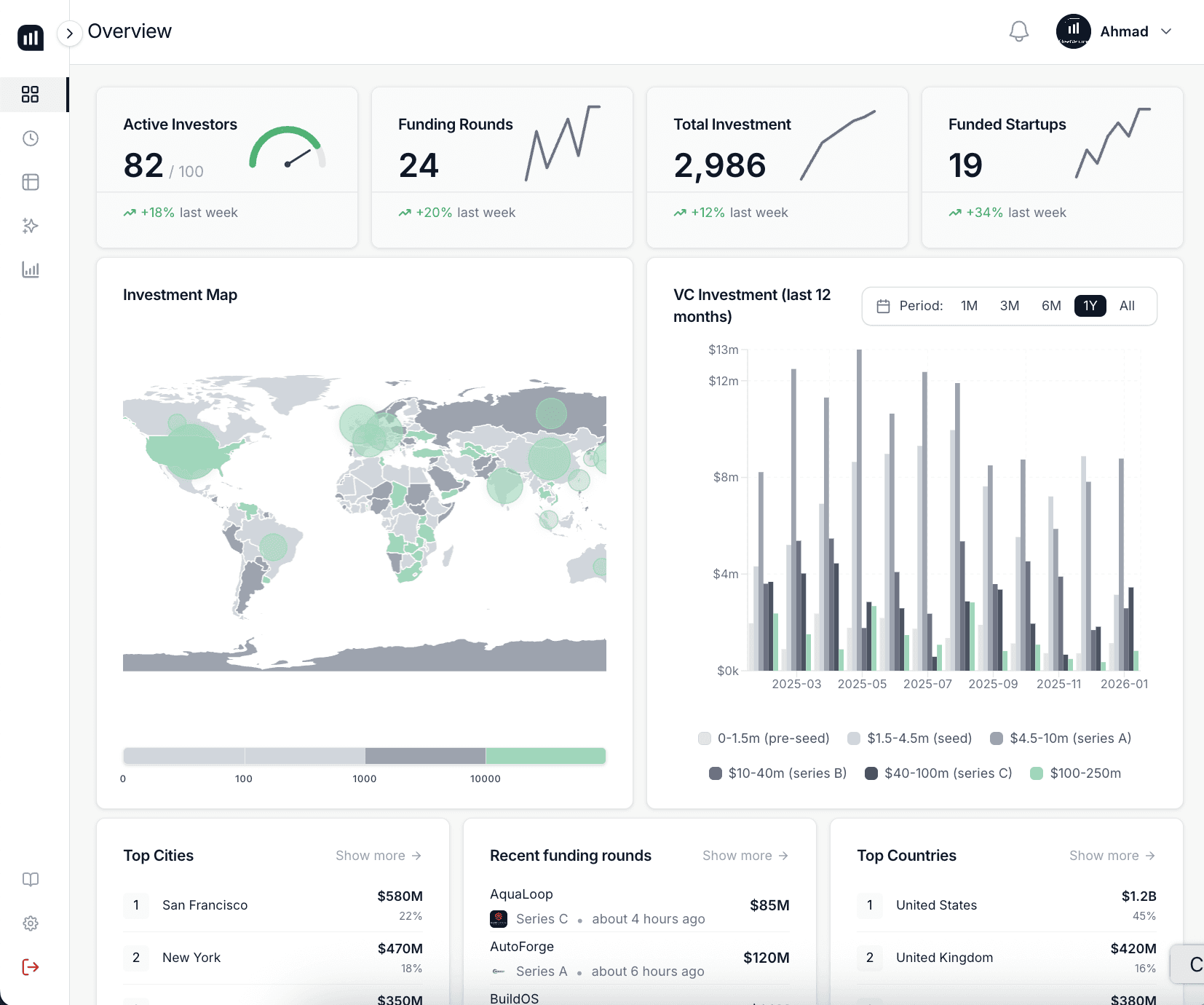
Some VCs deploy aggressively in Q4 while others deliberately hold capital until Q1. This reshapes the founder outreach strategy.
Fund cycle timing, LP reporting deadlines, and deployment pressure drive most VCs to spike activity in Q4, while Q1 slows as firms reset budgets, recalibrate strategy, and process year-end portfolio reviews.
The difference between Q4 and Q1 deal flow is not random. It follows predictable institutional patterns. VCs managing closed-end funds face annual deployment targets that create urgency in October through December. When January arrives, the pressure valve releases. New budgets require internal approval cycles, investment committees reconvene with fresh mandates, and many partners take a strategic pause to reassess thesis alignment.
Understanding these rhythms gives founders a timing advantage most overlook.
Why Do VCs Close More Deals in Q4
Several forces converge to make Q4 the busiest quarter for most venture firms.
• Annual deployment targets create pressure to put capital to work before year-end reporting.
• LP reporting cycles require demonstrable progress, making new investments a visible signal of activity.
• Portfolio companies often hit milestones by Q4, triggering follow-on decisions.
• FOMO intensifies as firms see competitors closing rounds they passed on earlier.
• Tax planning motivates some angel-VC hybrid investors to finalize commitments before December 31.
• GPs approaching fund-end timelines accelerate deals to avoid returning uncommitted capital.
Many firms treat Q4 as their closing season. Deals that lingered through the summer often get final approvals in November. For founders, this means outreach sent in September or early October hits desks when urgency is highest.
Learn how market cycles shape investor decision-making throughout the year.
Why Does VC Activity Drop in Q1
Q1 is structurally slower for most funds. The reasons are institutional, not personal.
• Annual planning meetings consume January and sometimes February.
• New fund vintages require updated investment theses before deployment begins.
• Year-end portfolio reviews dominate partner attention through late January.
• LP annual meetings and reporting absorb operational bandwidth.
• Holiday carry-over means many December conversations restart from scratch in January.
• Budget resets at larger firms require fresh IC approvals for pipeline deals.
The drop is real but temporary. By late February, activity typically rebounds. Founders who understand this avoid misreading Q1 silence as rejection.
Check proven strategies for fundraising timing to align your raise with VC calendars.
How Does Fund Type Affect Quarterly Activity
Not all VCs follow the same seasonal pattern. Fund structure determines behavior.
Fund Type | Q4 Behavior | Q1 Behavior | Best Founder Approach |
Large multi-stage funds ($500M+) | Heavy deployment push, year-end closings | Slow restart, annual planning through February | Begin outreach in September for Q4 close |
Seed-focused micro VCs ($10M-$50M) | Moderate increase, smaller portfolios fill fast | Quick restart, less institutional overhead | Pitch late Q4 for early Q1 term sheets |
Corporate VCs | Budget-driven Q4 spending surge | New fiscal year approvals delay activity 4-6 weeks | Align with corporate budget cycles |
Emerging managers (Fund I-II) | Aggressive Q4 to show LP traction | Faster Q1 recovery, hungry for deal flow | Target Q1 when competition for attention drops |
Solo GPs and rolling funds | Steady year-round, with less quarterly variation | Minimal slowdown | Outreach anytime with a strong thesis fit |
The pattern is clear: larger, more institutional funds show the sharpest Q4-to-Q1 contrast. Smaller, newer funds recover faster.
Use investor intelligence to identify which funds are actively deploying right now.
How Should Founders Time Outreach Around Q4 and Q1
Timing your fundraiser around quarterly patterns can shorten your fundraiser by weeks.
• Start building relationships in August and September to position for Q4 closes.
• Send warm follow-ups in early October when deployment urgency peaks.
• Avoid launching cold outreach in mid-December through mid-January.
• Use Q1 slowdowns to refine materials and build a pipeline for February reactivation.
• Target emerging managers and solo GPs in January when larger funds are distracted.
The founders who consistently close faster are the ones who match their fundraising speed to the calendar rhythms investors actually follow.
The Bottom Line
VC activity spikes in Q4 because of deployment targets, LP reporting pressure, and year-end urgency. Q1 slows because of budget resets, planning cycles, and portfolio reviews. The pattern is predictable and structural, not accidental.
Founders who align outreach with these rhythms land meetings faster and close rounds more efficiently. The best fundraising strategies account for when investors are ready to write checks, not just whether they like your pitch.
Timing is not everything. But it is the multiplier most founders ignore.
SheetVenture helps founders identify which funds are in active deployment each quarter, so outreach lands when capital is ready to move.
Last Update:
Everything you need to understand private markets
Understand your market in real-time.
Filter by stage, sector, and exact geography.
Access 30,000+ verified, daily-updated active