When a co-investor backs out before closing, act in 48 hours. Here are the five moves that matter.
When a co-investor backs out before closing, move within 48 hours. Reassess your cap table, contact backup investors immediately, and communicate with existing commitments to prevent a cascade effect. Most rounds that fail after a pullout fail because of delay, not the gap itself.
A co-investor pulling out before closing is more common than most founders admit. It shakes confidence, threatens timelines, and can trigger other investors to reconsider. But it rarely kills rounds that are managed well.
The good news: a pullout before closing is rarely fatal. Rounds recover all the time. What separates founders who close from those who do not is almost always speed and communication in the first 48 to 72 hours.
Why Co-Investors Pull Out Before Closing
Understanding the cause tells you how to respond.
• Fund-level issues: LP pressure, deployed capital limits, or a partner who voted no internally. This is rarely about you.
• Signal drift: The investor got nervous after your last update, a competitor announcement, or a reference check.
• Better deal elsewhere: Capital is finite. If another deal came in hotter, yours may have been quietly deprioritized.
• Thesis misalignment: They talked themselves into a deal that did not quite fit their mandate, then talked themselves out.
Knowing why matters because it shapes whether you can recover the commitment or need to replace it entirely.
Your First 48 Hours: What Actually Matters
This window determines everything.
• Do not panic-email your full investor list. It signals instability and can trigger more pullouts.
• Call your lead investor first. They need to know, and they may have replacement capital or warm introductions.
• Audit your backup list. Most experienced founders keep a second tier of investors they have not yet closed. Now is the time.
• Assess the actual gap. A 10% shortfall is a very different problem from a 40% shortfall. Your response should match the size.
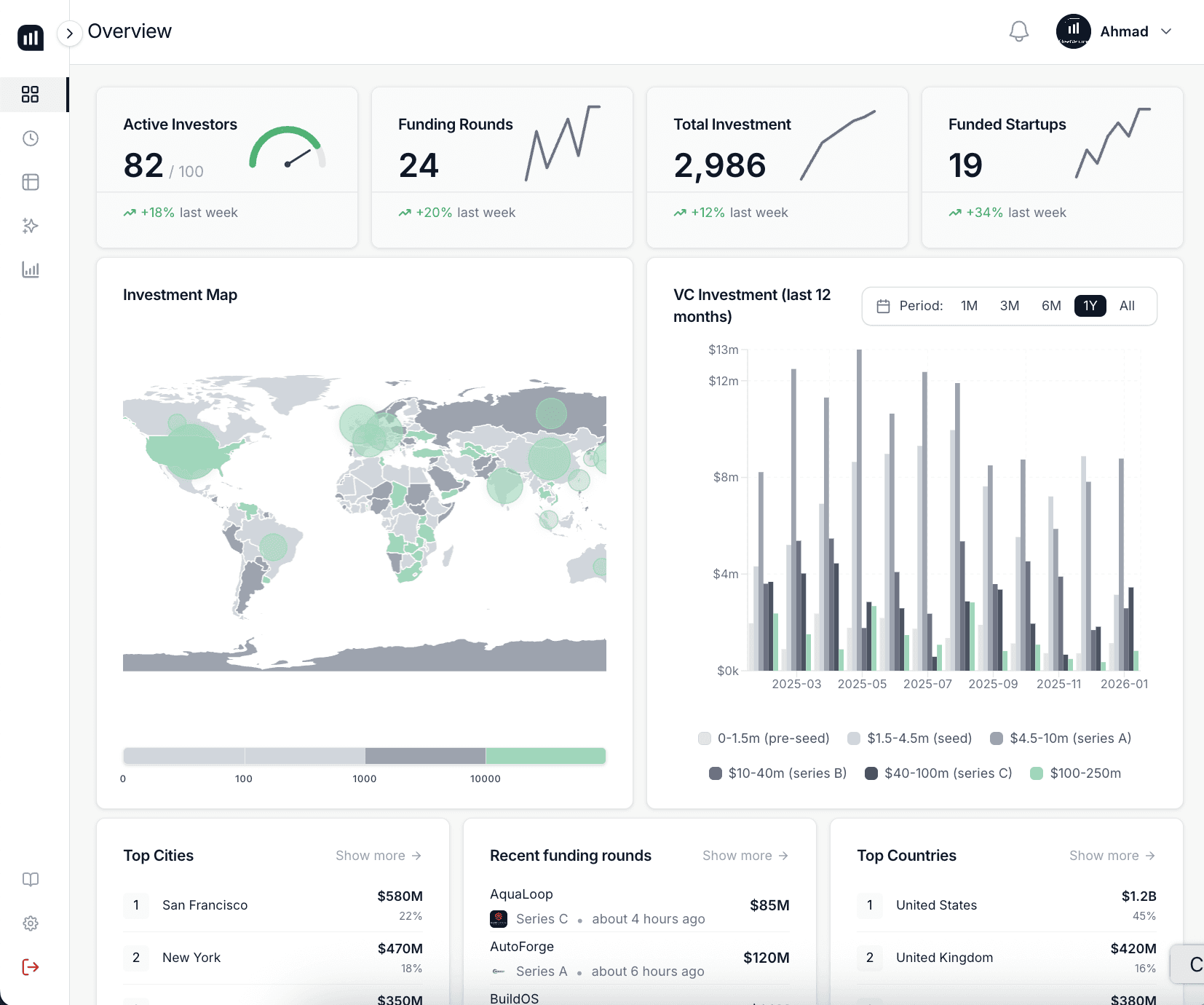
Use SheetVenture's intelligence to identify which funds are actively deploying capital right now, not just theoretically interested.
How to Fill the Gap Without Signalling Panic
The framing matters as much as the outreach itself.
• Do not disclose why the gap exists unless asked directly. Instead, describe it as a small cap table adjustment.
• Lead with momentum, not desperation. Reference existing commitments, current traction, and why now is the right time.
• Reactivate warm leads first. Investors who met with you and passed softly are often better targets than cold lists.
• Consider increasing existing allocations. Committed investors who believe in the round may take more if asked directly.
For an outreach strategy that does not burn bridges, read Handling Investor Rejections to keep relationships intact while you work the gap.
What to Tell Your Other Investors
Be direct, not panicked.
• Existing investors should hear from you before they hear from anyone else.
• Frame it as a timeline update: 'We have had a cap table change. We are 72 hours from closing the remaining allocation.'
• Avoid over-explaining. Investors who trust you will follow. Those who do not were always at risk.
• Study investor momentum signals so you control the narrative rather than react to it.
Round Recovery Options at a Glance
Action | Best Timing | Risk Level | Likely Outcome |
Activate backup investor list | Within 24 hours | Low | Fills the gap without signalling distress |
Increase existing allocations | 24 to 48 hours | Low-Medium | Fast close, but reduces cap table diversity |
Cold outreach to new investors | 48 to 72 hours | High | Slower; may push your closing date |
Bridge from existing investors | If the gap exceeds 30% | Medium | Buys time but changes the round dynamics |
Reduce round size | Last resort | Medium | Preserves the close; adjusts growth plan |
Knowing how investors read signals mid-round is covered in depth, including what signals make investors lose confidence.
The Bottom Line
A co-investor backing out before closing is a problem. It is not a death sentence. Founders who act within 48 hours, frame the gap correctly, and lean on existing relationships close their rounds at a much higher rate than those who freeze or over-communicate.
The round is not over. Your response is what decides it.
SheetVenture makes it easy to identify which investors are actively deploying capital right now, so when a gap opens in your round, you know exactly who to call first.
Last Update:
Everything you need to understand private markets
Understand your market in real-time.
Filter by stage, sector, and exact geography.
Access 30,000+ verified, daily-updated active