When an investor brings in a competitor as a co-investor, your data, strategy, and competitive advantage face real risks.
When an investor introduces a competitor as a co-investor, do not agree on the spot. Evaluate the conflict carefully, understand what information they could access, and negotiate protective terms before you move forward, or find a different co-investor entirely.
This situation is more common than most founders expect. A lead investor may genuinely believe the competitor brings real value: distribution, domain expertise, or credibility with later-stage funds. That doesn't automatically make the arrangement safe for you.
Here's how to think through it without panicking or burning the relationship.
Why Investors Suggest This (And When It Is Legitimate)
Investors rarely propose co-investors out of bad faith. There's usually a real logic behind the suggestion.
Common reasons a lead investor introduces a competitor:
• The competitor has a strategic distribution that your startup could tap into.
• They have co-invested with adjacent companies before without issues.
• They are trying to fill the round quickly from their existing network.
• The competitor operates in a different segment, and the investor sees them as complementary.
The single question that matters most: Is this company a direct competitor in your core market, or just operating in the same broad sector? That distinction shapes every decision that follows.
What the Real Risks Are
The danger with a competitor as a co-investor is not the check. It is the access that comes with it.
Standard investor rights in early-stage deals typically include:
• Board observer status or a full board seat.
• Quarterly financial reporting with granular metrics.
• Pro-rata rights in future rounds.
• Information rights covering pipeline, customers, and strategy.
A competitor with those rights sees your customer acquisition costs, retention data, hiring plans, and product roadmap, often before you have shipped the features publicly. That is the exposure worth protecting against.
Table 1: What Competitor Co-Investors Can Access
Information Type | Access Level | Risk to Your Business |
Financial metrics (ARR, burn, margins) | Full via investor reporting rights | Competitor benchmarking of your economics |
Customer names and pipeline | Often included in ops updates | Direct poaching of accounts |
Product roadmap | Board or observer discussions | Feature copying before public launch |
Hiring plans | Shared in operational updates | Talent competition at critical hires |
Pricing strategy | Visible in financial reports | Margin undercutting on shared accounts |
Table 2: Competitor Type vs. Risk Level
Competitor Type | Deal Risk | Data Sensitivity | Recommended Action |
Direct competitor, same market | Very High | Critical | Decline or negotiate strict exclusions |
Adjacent market, overlapping customers | High | Significant | Negotiate info rights carve-outs |
Same sector, different segment | Moderate | Low to Medium | Proceed with protective terms |
Potential future rival | Low to Mod | Low | Monitor, add standard protections |
Strategic investor, not operational | Low | Low | Proceed with standard diligence |
How to Evaluate Whether to Proceed
Before responding to your investor, work through these questions honestly:
• Does this company compete for the same customers today?
• Would they benefit commercially from seeing your metrics?
• Do they have the resources to act on information they receive?
• Can you carve out specific information from investor reporting?
• Is your lead investor willing to find an alternative co-investor if you raise the concern?
The answers tell you how much room you have. If the competitor is active in your exact market and your lead will not negotiate, that is a real problem worth surfacing before you close. Investor red flags like this one tend to compound after the wire lands, not before.
What Protections You Can Negotiate
If you decide to proceed, push hard on these specific terms:
• Information rights carve-out: Exclude customer names, pricing, and pipeline data from standard reporting to this co-investor specifically.
• No board seat or observer rights: Limit them to check-writer status only.
• Entity-level NDA: Require a confidentiality agreement between their fund and your company.
• Transfer restrictions: Block them from selling their stake to another competitor without your consent.
• Future round consent rights: Give yourself veto power over competitive co-investors in future raises.
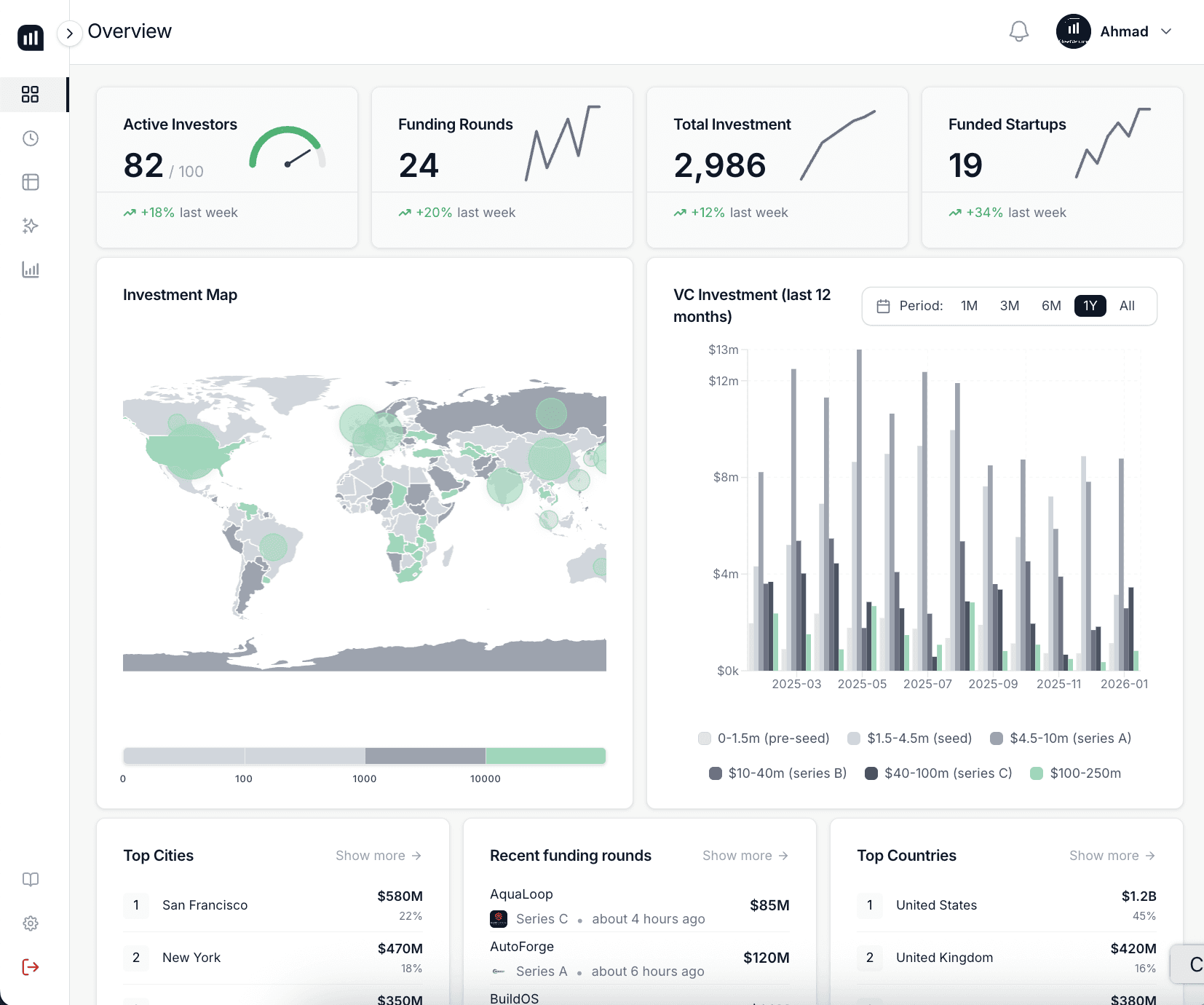
Use SheetVenture to research whether this investor has co-invested with competitors in other deals before. Co-investment patterns are visible in deal history, and past behavior is the most reliable signal you have.
When You Should Walk Away From the Arrangement
Not every round needs to close at any cost. Walk away from the specific arrangement, not the lead investor, when:
• The competitor is your direct, active rival in the same market.
• Your lead investor refuses to consider alternative co-investors.
• No workable information rights carve-out is on the table.
• Accepting this capital would make your next fundraise materially harder.
A well-run investor database search takes an hour. Replacing a problematic cap table entry takes years. For a deeper process on how to vet investors before committing, see the research VCs before your pitch. Their co-investment history is part of that standard process.
Understanding founder market fit also matters here; investors who believe in your category need to believe in your ability to protect your position. Agreeing to a competitor co-investor without negotiating protections signals you either don't understand the risk or don't care about it.
The Bottom Line
When an investor introduces a competitor as a co-investor, the issue isn't the money. It's the access. Evaluate the competitor type honestly, understand what information rights they would receive, and push for protective terms before you agree. Most investors will respect a founder who raises the concern clearly; it shows you understand the business implications of who sits on your cap table.
SheetVenture helps founders map investor co-investment history so you can spot conflicts before they reach the term sheet.
Last Update:
Everything you need to understand private markets
Understand your market in real-time.
Filter by stage, sector, and exact geography.
Access 30,000+ verified, daily-updated active