A less reputable VC can close your round; but discover what you're actually giving up before signing.
Yes, but only with a clear head. A less reputable VC can close your round, but the wrong terms, weak signaling, or toxic governance can cost more than the capital is worth.
Every founder hits this moment. The round is moving slowly, a term sheet arrives from a fund you have never heard of, and the pressure to close starts to feel like the decision is already made. It is not. This is the choice that shapes your next two to three years of fundraising, recruiting, and board dynamics. Get it right, and you move forward. Get it wrong, and you spend the next round cleaning up the consequences.
What Does 'Less Reputable' Actually Mean in Practice?
Reputation in VC is not just a brand name. It breaks down into four things investors, candidates, and co-investors actually check before they take you seriously:
• Track record of supporting portfolio companies through hard periods.
• Quality and fairness of past term sheets; ask founders who already took their money.
• Follow-on capacity and how much dry powder the fund actually has left.
• Network reach for Series A introductions, board hires, and key customers.
A fund can be small, new, or regionally focused and still score well on all four. The problem is not obscurity. It is a history of predatory terms, inactive support, or burned relationships with other VCs that will matter when you go back to market.
When Does Taking the Money Actually Make Sense?
There are situations where saying yes is the rational call:
• You have validated that the terms are fair through independent reference calls.
• The fund has a meaningful sector network even if the brand is not top-tier.
• You are at a stage where traction matters more than investor prestige.
• You have a strong lead investor, and this fund is filling the round, not leading it.
• The alternative is running out of runway before a better offer arrives.
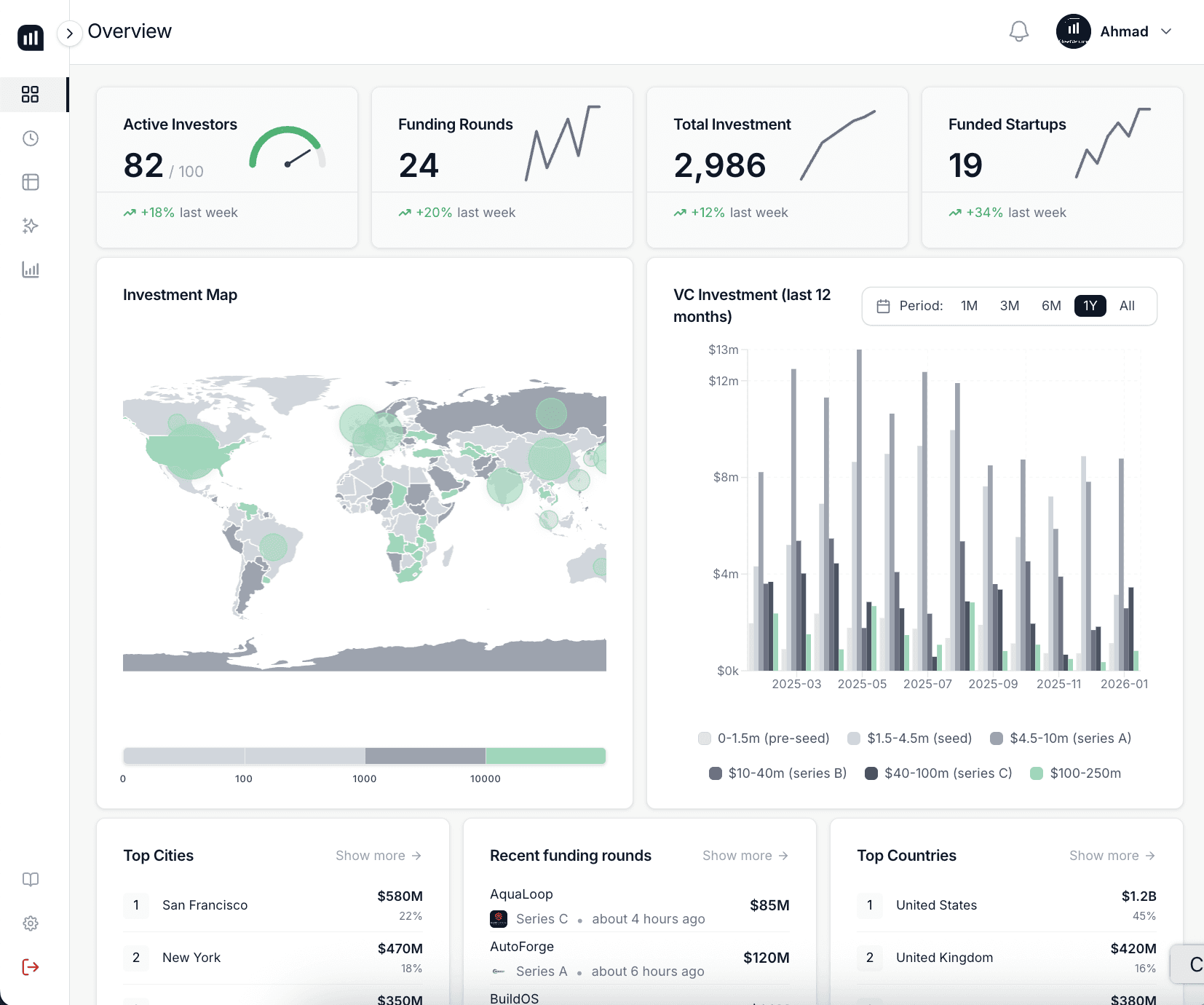
Filling a round with a smaller or lesser-known fund is not the same as filling it with a bad actor. The due diligence process you run on them is just as important as the one they run on you. Use SheetVenture's investor database to cross-reference their portfolio, check deal activity, and see how many of their companies went on to raise Series A.
When Can a Less Reputable VC Actually Hurt Your Startup?
The downstream effects are often invisible until they cost you a deal:
• Signal risk. Top-tier VCs at Series A notice who led your seed. A fund with a poor reputation can quietly close doors before you knock.
• Board dynamics. A less experienced or aggressive investor in a board seat creates friction that slows decisions and drains founder energy.
• Pro-rata rights. If a weaker fund holds pro-rata in your next round, it makes the cap table harder to clean up when institutional money arrives.
• Reference loops. Other investors will call their portfolio founders. If those founders have bad things to say, you do not find out until the deal dies.
Review investor red flags before you sign. The pattern usually shows up in the term sheet before you ever reach closing.
What Should You Check Before Making the Decision?
Run through every item below before you counter-sign:
Due Diligence Check | What to Ask or Verify |
Portfolio performance | How many companies raised Series A or beyond? |
Founder references | Call 3 founders; not ones the fund introduced you to |
Term sheet history | Have a lawyer review for unusual clauses or ratchets |
Follow-on capacity | Is the fund still actively deploying or near its end? |
Co-investor reputation | Who have they syndicated deals with before? Call those VCs |
Understanding investor fit goes further than thesis alignment. It includes how an investor behaves under pressure, which only shows up in reference calls, not on their website.
How Does the Decision Change Depending on Your Stage?
At pre-seed and seed, signal risk is lower because institutional investors expect a messier cap table. By Series A, co-investor quality matters significantly more. If you are raising a bridge or extension, the calculus shifts again because time pressure increases and options narrow.
The stage question also affects how much leverage you have in negotiations. Earlier rounds give you more room to push back on terms. Later rounds leave less flexibility, which is exactly why a problematic investor in an early round becomes harder to manage over time, not easier.
Use VC intelligence to filter funds by recent deal activity, check which ones are actively deploying capital right now, and map their networks before you decide whether a less reputable name on your cap table is a real liability or just noise.
You can also verify VC activity before committing; funds that are not actively deploying offer weaker follow-on support regardless of their reputation.
The Bottom Line
Taking investment from a less reputable VC is a calculated risk, not an automatic mistake. The capital is real. The costs are sometimes real, too. Your job before signing is to separate a fund that is simply less famous from one that is genuinely problematic.
Run reference checks. Review terms with a lawyer. Check whether their portfolio companies actually went on to raise. Then make the call with the full picture in front of you, not the one shaped by urgency and a closing deadline.
SheetVenture helps founders evaluate investor quality beyond brand name, so you close the right round, not just the fastest one.
Last Update:
Everything you need to understand private markets
Understand your market in real-time.
Filter by stage, sector, and exact geography.
Access 30,000+ verified, daily-updated active