Prioritize investors by fit, activity, and accessibility. Learn the tiered framework that helps founders focus on highest-probability conversations first.
Prioritize investors based on fit, activity, and accessibility.
Rank highest those who actively invest in your stage and sector, have deployed capital recently, and are reachable through warm introductions. Create three tiers: Tier 1 for perfect-fit investors, Tier 2 for good matches, and Tier 3 for backup options. Focus your best effort on Tier 1 first.
The Investor Prioritization Framework
Not all investors deserve equal attention. With limited time and energy during a fundraise, strategic prioritization ensures you focus on conversations most likely to convert. Here's how to rank your investor list effectively.
The Prioritization Framework
Evaluate every investor across three dimensions:
1. Fit Score
How well does this investor match your startup?
Stage alignment. Do they invest at your current stage? A seed-focused fund won't lead your Series A.
Sector relevance. Have they backed companies in your industry? Investors with domain expertise move faster and add more value.
Check size match. Does your raise amount align with their typical investment? Mismatched check sizes waste everyone's time.
Thesis alignment. Does your company fit what they've publicly stated they're looking for?
Geographic focus. Do they invest in your region, or do they have geographic restrictions?
Score each investor 1–5 on fit. Those scoring 4–5 go to Tier 1.
2. Activity Score
Is this investor actually deploying capital right now?
Recent investments. Have they made new investments in the past 6–12 months?
Fund status. Did they raise a new fund within the last 24 months?
Public engagement. Are partners actively speaking, publishing, or engaging with founders?
An investor with perfect fit but no recent activity is effectively unavailable. Verify activity before prioritizing anyone highly.
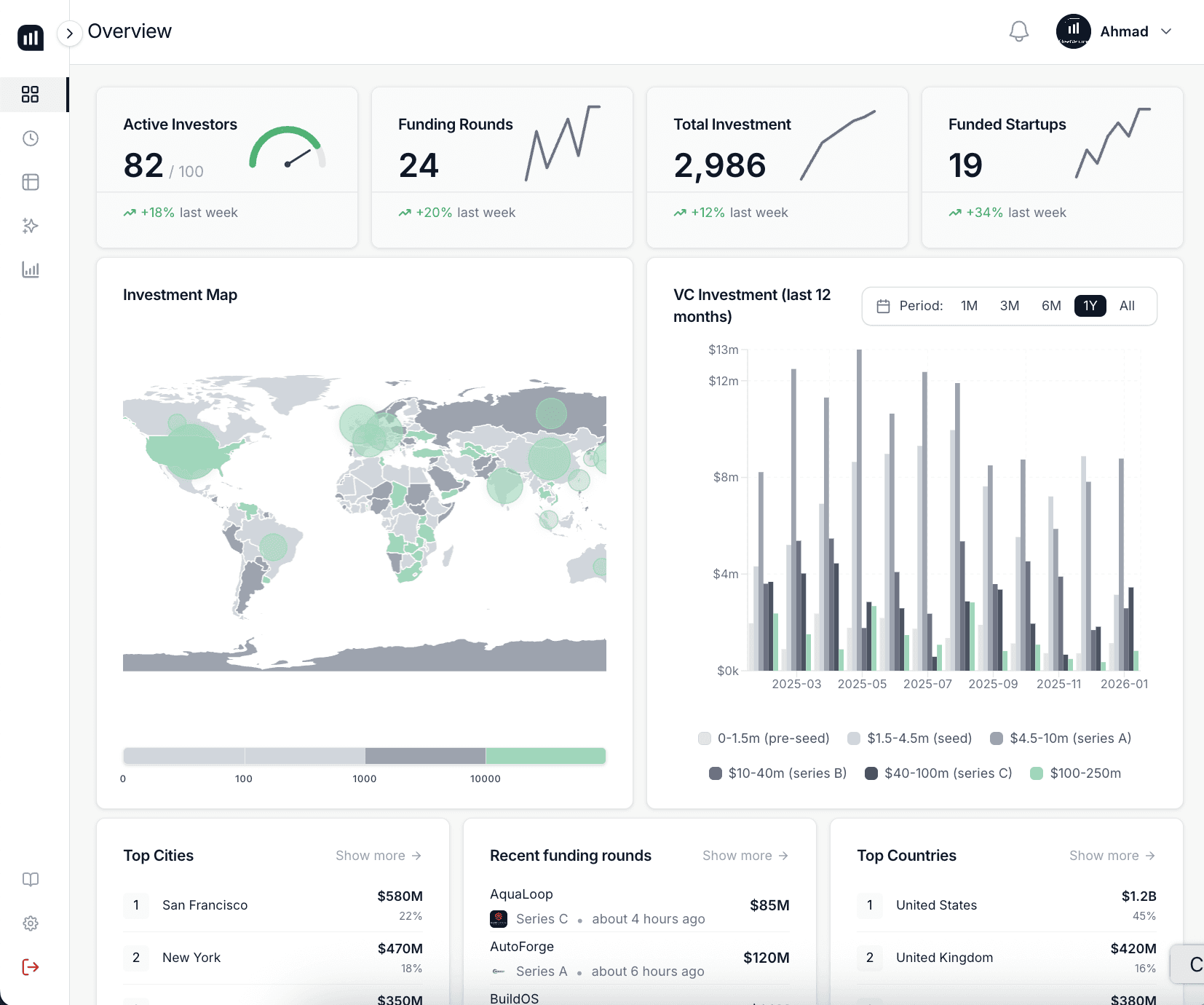
Use tools like SheetVenture's coverage dashboard to filter for verified recent activity, ensuring every investor on your list is actually writing checks.
3. Accessibility Score
How likely are you to get a meeting?
Warm introduction potential. Do you have a path to a warm intro through founders, angels, or mutual connections?
Responsiveness reputation. Do other founders report this investor responds to outreach?
Current availability. Are they actively taking meetings, or is their calendar locked?
Warm introductions convert at 10–20x the rate of cold emails. Investors you can reach through trusted referrals deserve higher priority.
For strategies on building introduction paths, explore our fundraising resources.
Building Your Tiered List
Based on your scoring, organize investors into three tiers:
Tier 1: High Priority (20–30 investors)
Fit score: 4–5
Activity score: Confirmed recent investments
Accessibility: Warm intro path available
These investors get your highest effort: deeply personalized outreach, thorough research, and strategic timing.
Tier 2: Medium Priority (40–50 investors)
Fit score: 3–4
Activity score: Likely active
Accessibility: Cold outreach required but strong relevance
These investors get solid personalization and persistent follow-up.
Tier 3: Lower Priority (30–50 investors)
Fit score: 2–3
Activity score: Uncertain
Accessibility: Cold outreach, lower connection potential
These investors receive efficient outreach to maintain pipeline volume. Don't invest heavy effort here.
Execution Strategy
Start with Tier 2, not Tier 1. Practice your pitch on good-fit investors before approaching your best targets. Refine based on feedback, then move to Tier 1.
Run parallel conversations. Don't wait for one investor to respond before contacting others. Parallel processes create urgency and competitive dynamics.
Track everything. Log every interaction, response, and follow-up. Patterns reveal which investor types respond best to your outreach.
Reprioritize dynamically. As conversations progress, some Tier 2 investors may show strong interest, elevate them. Some Tier 1 investors may go cold, deprioritize them.
Common Prioritization Mistakes
Chasing brand names over fit. Famous funds aren't always the best partners. Prioritize fit over prestigious logos.
Ignoring activity status. A perfect-fit investor who hasn't deployed in two years is unavailable. Verify before prioritizing.
Spreading effort equally. Treating all investors the same dilutes effectiveness. Concentrate energy on highest-probability conversations.
The Bottom Line
Prioritization transforms fundraising from a numbers game into a strategic operation. Score investors on fit, activity, and accessibility. Build tiered lists. Focus your best effort on Tier 1 targets while maintaining pipeline depth.
The founders who close fastest aren't those who contact the most investors, they're those who contact the right investors in the right order.
Need help identifying which investors to prioritize? Talk to our team.
SheetVenture helps founders prioritize investors based on real-time activity data, so every conversation has maximum potential.
Last Update:
Everything you need to understand private markets
Understand your market in real-time.
Filter by stage, sector, and exact geography.
Access 30,000+ verified, daily-updated active